
Virtual terminal fees and payment processing explained clearly

Accepting card payments is essential for many modern businesses, but payment processing fees can sometimes feel complicated. Whether you take payments over the phone, through an online system, or face to face, understanding the costs involved can help you choose the right payment solution.
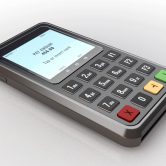
A Virtual terminal is particularly useful for businesses that need to process card payments without a physical card reader. At the same time, a card terminal or contactless card machine for small business can provide a convenient way to accept in-person payments.
This guide explains virtual terminal fees, payment processing charges, and the key factors businesses should consider before choosing a payment solution.
What Is a Virtual Terminal?
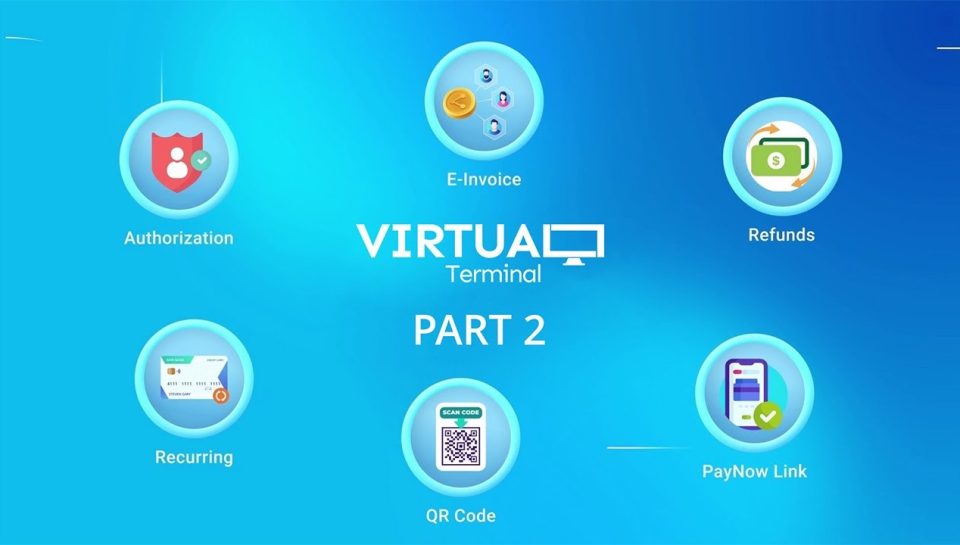
A Virtual terminal is a payment processing tool that allows a business to accept card payments without requiring the customer to physically insert or tap a card on a payment device.
Instead, the business enters the customer’s card details into a secure online payment interface. This can be useful for businesses that accept orders or payments by phone, email, or other remote methods.
For example, a customer may call a business to place an order. The business can use its Virtual terminal to enter the payment details and process the transaction.
Virtual terminals are commonly useful for:
- Telephone orders
- Remote payments
- Service-based businesses
- Reservations and bookings
- Businesses without an e-commerce website
- Invoice and customer payment collection
Unlike a physical card terminal, a Virtual terminal does not require the customer to be physically present with their card.
How Does Virtual Terminal Payment Processing Work?
The process is generally straightforward.
- The customer provides their card information.
- The business enters the details into the Virtual terminal.
- The payment information is securely sent to the payment processor.
- The processor communicates with the card network and customer’s bank.
- The transaction is approved or declined.
- Approved funds are eventually transferred to the business’s bank account.
Behind this simple process are several parties, including the merchant, payment processor, acquiring bank, issuing bank, and card network.
Each transaction may generate different costs depending on the provider, transaction type, card used, and pricing agreement.
What Are Virtual Terminal Fees?
Virtual terminal fees are the charges associated with using a virtual payment system and processing card transactions.
These fees can vary significantly between providers. Some providers may charge a monthly subscription, while others may use transaction-based pricing. Some payment services combine several charges into a single pricing structure.
Common costs can include:
Transaction Fees
A transaction fee is charged when a payment is processed. It may consist of a percentage of the transaction value, a fixed amount, or both.
For example, a provider could charge a percentage plus a small fixed fee for each transaction. The exact pricing depends on the provider and agreement.
Monthly or Subscription Fees
Some Virtual terminal providers charge a monthly fee for access to the platform. This may include payment processing tools, reporting features, customer management functions, or other services.
Businesses should consider whether the monthly cost makes sense based on their transaction volume.
Setup Fees
Some payment providers may charge an initial setup or account activation fee. However, not every provider uses this pricing model.
Chargeback Fees
A chargeback occurs when a card transaction is disputed and the payment is reversed. Providers may charge a fee for handling a chargeback.
Businesses should understand their provider’s chargeback policy before signing an agreement.
Refund Fees
Depending on the provider, refunds may have specific processing costs. It is important to check whether the original processing fee is returned when a transaction is refunded.
Virtual Terminal vs Card Terminal
Although their names sound similar, a Virtual terminal and physical card terminal serve different purposes.
A Virtual terminal is primarily designed for remote payments. The merchant enters card information manually through a secure interface.
A physical card terminal is designed for face-to-face transactions. Customers can insert, swipe, or tap their cards using the device.
For example, a retail store, café, salon, or market trader may benefit from a contactless card machine for small business because customers can quickly tap their debit or credit cards or mobile wallets.
A service provider that frequently takes payments over the phone may benefit more from a Virtual terminal.
Some businesses may benefit from having both options.
What Is a Contactless Card Machine for Small Business?
A contactless card machine for small business allows customers to make in-person payments by tapping a compatible card, smartphone, or wearable device.
Contactless payments can make checkout faster and more convenient. They can also help businesses provide customers with additional payment options.
A suitable card machine may support:
- Contactless cards
- Chip-and-PIN cards
- Mobile wallets
- Debit and credit cards
- Digital payment methods
The right solution depends on the business’s transaction volume, customer preferences, location, and payment requirements.
Understanding Payment Processing Costs
Payment processing costs are not always limited to the headline transaction rate.
When comparing providers, businesses should examine the complete pricing structure. A provider with a low advertised transaction fee may have additional monthly, authorization, refund, chargeback, or account-related charges.
Consider these questions before choosing a payment provider:
- Is there a monthly subscription?
- Is there a setup fee?
- What is the transaction rate?
- Are there fixed transaction charges?
- Are there chargeback fees?
- Are refunds subject to additional costs?
- Are there contract or cancellation charges?
- How quickly are funds deposited?
- What customer support is included?
Looking at the total cost can provide a more accurate picture than comparing one fee.
How to Choose the Right Payment Solution
The best payment solution depends on how your customers pay.
If your business primarily accepts payments remotely, a Virtual terminal can provide flexibility without requiring a physical payment device.
If customers usually visit your premises, a card terminal may be more appropriate.
For businesses that want fast, convenient face-to-face transactions, a contactless card machine for small business can be a practical option.
Businesses with multiple payment channels may choose a combination of solutions. For example, a company could use a physical terminal in its office while using a Virtual terminal for telephone payments.
Transaction volume should also be considered. A business processing hundreds of payments each month may have different requirements from a business processing only a few transactions.
Tips for Reducing Payment Processing Costs
Businesses cannot always eliminate payment processing fees, but they can manage them more effectively.
First, compare the complete pricing structure rather than focusing on a single advertised rate.
Second, review transaction volumes regularly. If your business grows, you may be able to negotiate better pricing or find a plan that better matches your payment activity.
Third, monitor chargebacks and payment disputes. Clear invoices, accurate transaction records, and good customer communication can help reduce avoidable disputes.
Finally, avoid paying for features your business does not need. A simple payment solution may be sufficient for a small business with straightforward requirements.
Conclusion
Understanding Virtual terminal fees and payment processing can help businesses make more informed decisions about accepting card payments. A Virtual terminal is useful for remote transactions, while a card terminal provides an effective solution for face-to-face payments.
For businesses serving customers in person, a contactless card machine for small business can offer a fast and convenient checkout experience.
Before choosing a provider, look beyond the advertised transaction rate and consider monthly fees, transaction charges, refunds, chargebacks, contract terms, and other costs. By comparing the complete pricing structure against your business needs, you can select a payment solution that supports efficient payment acceptance while keeping costs predictable.