
How Virtual Terminal Supports Remote Payment Processing

Remote payment processing has become an important part of modern business. Companies increasingly need ways to accept payments without requiring customers to visit a physical location. Whether a business operates remotely, delivers services across different locations, or handles orders online, flexible payment technology can simplify transactions.
A Virtual terminal provides businesses with a practical way to process card payments without a traditional card machine. It can be particularly useful when customers provide payment details over the phone or through other approved remote channels. Alongside solutions such as E commerce payments and Starlink Rental services, virtual payment technology can help businesses maintain efficient operations in different environments.
What Is a Virtual Terminal?
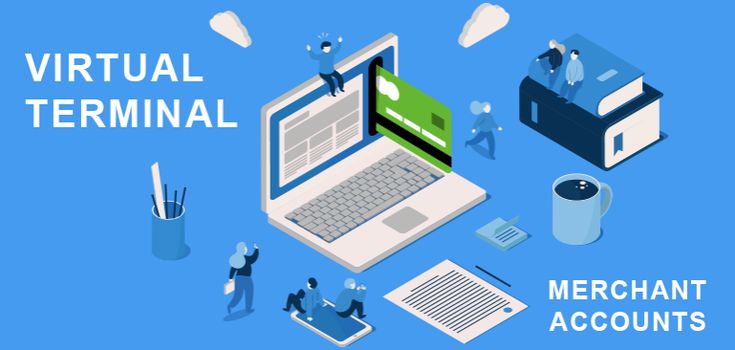
A Virtual terminal is a web-based payment processing system that allows authorised businesses to enter customer card information manually and process a transaction. Unlike a physical card machine, it does not require the customer’s card to be physically inserted, tapped, or swiped.
Businesses generally access the system through a secure online portal using an internet-connected device. Depending on the payment provider and setup, transactions can be processed from a laptop, desktop, tablet, or other supported device.
This makes virtual terminals particularly relevant to businesses that accept payments remotely. For example, a company taking telephone orders can enter the customer’s payment information into the terminal rather than asking the customer to visit a store.
How Remote Payment Processing Works
The process is relatively straightforward. A business first logs into its authorised payment platform. The relevant transaction details are then entered into the Virtual terminal.
These details may include:
- Customer card information
- Transaction amount
- Customer reference information
- Order or invoice details
- Other information required by the payment provider
Once the transaction is submitted, the payment system communicates with the relevant payment network to request authorisation. If approved, the business receives confirmation and can complete the order according to its normal process.
The exact process can vary depending on the payment provider, merchant account, security requirements, and business model.
Why Businesses Use Virtual Terminals
One of the biggest advantages of a Virtual terminal is flexibility. Businesses do not always operate from a traditional shop or office. Some work from home, travel between locations, or provide services directly to customers.
A virtual solution can support these different working arrangements by allowing authorised staff to process payments through an internet-connected device.
For service providers, this can be especially useful when customers need to make payments after receiving an invoice. Instead of arranging an in-person card transaction, the business can process the payment remotely using its approved payment system.
Supporting Remote and Mobile Businesses
Modern businesses often need reliable connectivity as well as payment functionality. This is particularly relevant for organisations working at temporary locations, outdoor events, construction sites, exhibitions, or areas where conventional connectivity may be limited.
For example, Starlink Rental can provide temporary internet connectivity for suitable business environments where dependable internet access is required. When combined with appropriate payment infrastructure, connectivity can help remote teams maintain access to essential online systems.
However, businesses should always evaluate connectivity, payment-provider requirements, device compatibility, and security before deploying payment systems in temporary locations.
Virtual Terminal and E Commerce Payments
E commerce payments are another important part of modern payment processing. Online businesses often receive orders from customers without having any physical interaction with them.
A Virtual terminal can complement online payment channels when a customer needs assistance with an order, when an invoice requires manual processing, or when a business needs an alternative method for certain transactions.
For instance, a customer may place an order online but later contact the business by telephone to make a payment or resolve an issue with the original transaction. Subject to the provider’s rules and applicable security requirements, a virtual terminal can give authorised staff another way to process the payment.
It is important to remember that a virtual terminal and an online checkout are not necessarily the same thing. An online checkout is designed for customers to enter their own payment details, while a virtual terminal is generally operated by authorised business staff.
Security Considerations for Remote Payments
Security is essential when processing card payments remotely. Businesses should use reputable payment providers and follow applicable payment-security requirements.
Staff should also receive appropriate training before using a Virtual terminal. Access credentials should be protected, and businesses should avoid storing sensitive card information unless they are specifically permitted and equipped to do so.
Additional security measures can include:
- Using strong passwords and secure authentication
- Restricting system access to authorised employees
- Keeping devices and software updated
- Using secure internet connections
- Following payment-provider security procedures
- Monitoring transactions for unusual activity
- Maintaining appropriate staff training
Businesses should also follow applicable PCI DSS requirements and their payment provider’s instructions when handling cardholder data.
Improving Customer Convenience
Remote payment processing can make the payment experience more convenient for customers. People may not always be able to visit a physical location, particularly when purchasing services from businesses that operate across different areas.
A Virtual terminal allows businesses to support customers through remote channels where appropriate. This can reduce unnecessary delays and help staff complete transactions while communicating directly with customers.
For businesses handling telephone orders, bookings, consultations, invoices, or service payments, this flexibility can become a useful part of their payment workflow.
Virtual Terminals for Different Industries
Virtual payment processing can be relevant across many industries.
Professional services: Consultants and agencies can use remote payment processing for invoices and service fees.
Hospitality: Businesses can use suitable payment solutions for bookings, deposits, and customer charges.
Events: Event organisers can process certain payments remotely when managing registrations or services.
Trades and field services: Businesses operating across multiple locations may need flexible payment options when dealing with customers away from a central office.
Online businesses: Companies providing E commerce payments can use virtual terminals as a complementary payment method for selected transactions.
The most appropriate setup depends on the business model, payment requirements, customer journey, and provider capabilities.
Choosing the Right Payment Solution
Before selecting a payment system, businesses should consider more than just transaction processing. Important factors include security, ease of use, transaction fees, reporting features, integration options, customer support, and compatibility with existing systems.
It is also worth considering how a Virtual terminal will fit into the wider payment strategy. Some businesses may need online checkout functionality, recurring payments, telephone payments, physical card machines, or several of these options together.
A well-planned payment setup can help businesses create a smoother process for both customers and staff.
The Role of Reliable Connectivity
Remote payment processing depends on dependable internet access. If employees cannot connect to the payment platform, transactions may be delayed.
This is where temporary connectivity solutions can be relevant for businesses operating away from permanent premises. Starlink Rental may be considered for suitable temporary deployments where internet access is required.
Businesses should assess the location, expected usage, equipment requirements, weather conditions, and provider availability before selecting a connectivity solution.
Final Thoughts
A Virtual terminal can give businesses greater flexibility when accepting remote card payments. It allows authorised staff to process transactions through an online payment platform without requiring a traditional physical card machine.
When combined with secure payment practices, reliable connectivity, and suitable E commerce payments infrastructure, virtual payment processing can support businesses operating from offices, homes, temporary sites, and other remote environments.
Wireless Terminal Solutions can help businesses explore payment and connectivity options suited to their operational requirements. Choosing the right combination of payment technology and connectivity can make remote transactions more practical while supporting a consistent customer experience.
For more information about suitable payment solutions, call us on 03454599984.