
Benefits of Using a Mobile Card Machine for Small Shops

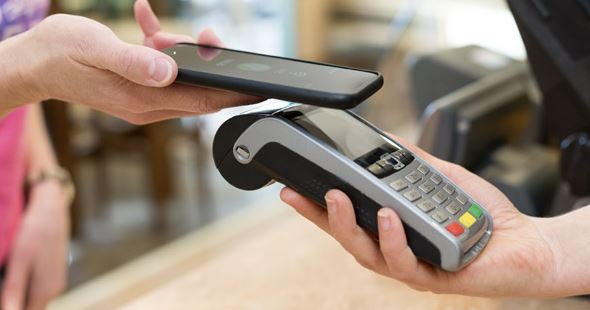
Running a small shop involves managing customers, stock, daily sales, and payments efficiently. As customer payment preferences evolve, offering convenient ways to pay has become an important part of delivering a positive shopping experience. While cash remains useful, many customers prefer using debit cards, credit cards, and contactless payment methods for everyday purchases.
A mobile card machine for small business provides a practical way to accept payments without being restricted to a fixed checkout counter. Whether you operate a convenience store, boutique, market stall, salon, or independent retail shop, a portable payment terminal can help simplify transactions and improve customer service.
Modern card machines support different payment methods and offer flexibility for businesses that need to accept payments throughout their premises or while working at multiple locations.
In this guide, we explore the main benefits of using a mobile card machine and explain how to choose the right solution for your small shop.
What Is a Mobile Card Machine?
A mobile card machine is a portable payment terminal that allows businesses to accept electronic payments without relying on a permanently fixed checkout point. Depending on the model, it may connect through Wi-Fi, a mobile data connection, or a paired smartphone.
Customers can typically pay using supported debit cards, credit cards, contactless cards, and compatible mobile wallets. Some devices also support chip and PIN transactions.
Unlike traditional countertop terminals, mobile card machines allow shop owners and employees to take payments wherever convenient. For example, a retailer can process a transaction beside a display, a market trader can accept payments at an outdoor stall, and a shop assistant can help customers complete purchases without sending them to a separate checkout.
7 Benefits of Using a Mobile Card Machine for Small Shops
- Offer Customers More Payment Choices
One of the biggest advantages of using a mobile card machine is the ability to offer customers greater payment flexibility.
Some shoppers prefer cash, while others rely on contactless cards, credit cards, debit cards, or digital wallets. A suitable payment terminal helps your business accommodate different preferences.
By offering multiple payment options, small shops can create a more convenient shopping experience. Customers do not need to depend entirely on the cash they have available, and staff can process eligible transactions using the supported payment methods.
For independent retailers competing with larger stores, providing convenient payment choices can help create a professional and customer-friendly experience.
- Make Checkout Faster and More Convenient
Long queues can frustrate customers, particularly during busy shopping periods. Mobile card machines can help streamline checkout by allowing customers to tap or insert their cards instead of counting cash and waiting for change.
Contactless transactions can be particularly convenient for everyday purchases. Faster payment processing may help staff serve more customers during peak periods, depending on transaction times and the shop’s overall workflow.
For example, a busy convenience store can use a portable terminal to take payments at a suitable location near the customer. A small boutique can also bring the terminal directly to a customer who needs assistance with a purchase.
Although transaction speeds vary, a well-integrated payment system can make the checkout process simpler and more efficient.
- Accept Payments Beyond the Checkout Counter
A major benefit of a mobile card machine for small business is mobility.
Traditional countertop terminals generally remain in one location, whereas portable devices allow authorised staff to take payments in different areas of a shop or at other trading locations.
This flexibility is useful for:
- Market traders and independent stall owners.
- Small retailers attending exhibitions and local events.
- Clothing shops offering personalised customer service.
- Garden centres and shops with larger premises.
- Businesses providing local delivery or on-site services.
For example, a market trader can accept card payments directly at their stall without needing a fixed till connected to the premises.
When choosing a portable terminal, check its connectivity options, battery life, and compatibility with your intended working environment.
- Reduce Dependence on Cash Handling
Managing cash involves counting money, providing change, reconciling the till, and arranging deposits. It can also create challenges when staff handle large amounts of cash during busy periods.
Card machines offer an alternative by allowing eligible transactions to be processed electronically. Payment records can help businesses reconcile sales and compare transaction totals with their business accounts.
Reducing cash handling may also make end-of-day procedures more straightforward. However, electronic payments still require monitoring, and businesses should maintain appropriate financial records and reconciliation processes.
A mobile terminal does not mean your shop must stop accepting cash. Instead, it allows you to offer customers an additional payment option while maintaining the flexibility to serve different preferences.
- Create a More Professional Shopping Experience
Customer experience involves more than product quality and pricing. The way customers pay can also influence their overall impression of your business.
Modern card machines provide a familiar payment process, allowing customers to complete purchases using recognised payment methods. A portable terminal can also help staff provide more personalised service by taking payments directly from customers when appropriate.
For example, a small gift shop can assist customers with product selection and complete payment nearby rather than requiring every shopper to return to a single counter.
A smooth and convenient payment experience can encourage customers to feel comfortable shopping with an independent retailer. While no payment method guarantees repeat business, convenient service can contribute to customer satisfaction.
- Support Better Sales Tracking and Record-Keeping
Many modern card machines provide transaction histories, digital receipts, and access to payment reports. Depending on the provider and device, some solutions can also integrate with point-of-sale (POS) software.
These features can help small shop owners review card sales, reconcile transactions, and maintain clearer records of daily business activity.
For instance, a retailer can compare card transaction totals with till records to identify discrepancies. Integrated systems may also help reduce manual entry when recording sales.
However, reporting capabilities vary between providers. Before choosing a terminal, check whether it offers the reports, receipt options, and integrations your shop requires.
- Choose a Payment Solution That Fits Your Budget
Small businesses need to manage operating costs carefully. Fortunately, card machines are available with different pricing structures, hardware options, and contract arrangements.
Depending on the provider, you may be able to purchase a terminal outright, rent equipment, or choose a pay-as-you-go arrangement.
Before committing, compare:
- Upfront hardware costs.
- Transaction processing fees.
- Monthly rental or service charges.
- Contract length and cancellation conditions.
- Settlement times and payout arrangements.
- Customer support and technical assistance.
The cheapest advertised transaction rate does not necessarily represent the lowest overall cost. Consider your expected monthly card turnover and average transaction value when comparing options.
Choosing a suitable payment solution can help your business balance convenience, functionality, and affordability.
How to Choose the Right Mobile Card Machine
The best card machine depends on how your shop operates and the payment features your customers need.
Start by identifying the types of payments you want to accept. Check whether the terminal supports chip and PIN, contactless cards, and compatible mobile wallets.
Next, consider connectivity. A shop with reliable Wi-Fi may prefer a Wi-Fi-enabled device, while a market trader or mobile retailer may benefit from a terminal with mobile data connectivity.
Battery performance is another important consideration, especially if you operate throughout the day or work away from a power source.
You should also review the provider’s transaction fees, settlement arrangements, customer service, and security provisions. Confirm whether the device meets applicable payment security requirements and whether it integrates with your existing POS system.
Taking time to compare these features will help you choose card machines that suit your business needs rather than paying for functions you rarely use.
Why Small Shops Should Consider Mobile Card Machines
A mobile payment terminal can help small retailers modernise their checkout process without necessarily investing in a complicated point-of-sale setup.
From offering more payment choices to improving transaction flexibility, mobile card machines can support a wide range of independent businesses. They are particularly useful for retailers that operate in multiple locations, serve customers away from the till, or want to provide a convenient alternative to cash.
The key is to select a solution that matches your sales volume, working environment, budget, and customer requirements.
Looking for a suitable payment solution for your shop? Contact Wireless Terminal Solutions on 0345 459 9984 to discuss your requirements and explore the available options for your business.
Frequently Asked Questions (FAQs)
- What is a mobile card machine for small business?
A mobile card machine is a portable electronic payment terminal that enables a business to accept supported debit cards, credit cards, and contactless payments. Depending on the model, it connects through Wi-Fi or mobile data.
- Can a small shop benefit from using a card machine?
Yes. A card machine can offer customers additional payment options, simplify checkout, reduce dependence on cash, and provide transaction records that support sales reconciliation.
- Do mobile card machines require an internet connection?
Most mobile terminals need a network connection to process payments. Depending on the model, they may use Wi-Fi, mobile data, or a connected device. Check the manufacturer’s requirements before purchasing.
- How much does a mobile card machine cost?
Costs vary by provider and terminal. You may need to pay for the hardware, transaction processing, monthly services, or equipment rental. Compare the complete pricing structure before choosing a solution.
- Are mobile card machines secure for small businesses?
Reputable payment terminals use security measures designed to protect payment transactions. Businesses should choose a compliant solution, follow the provider’s security guidance, keep devices updated where applicable, and use secure payment practices.
- How do I choose the best card machine for my shop?
Consider supported payment methods, connectivity, battery life, transaction fees, contract terms, settlement times, customer support, and compatibility with your existing systems. The right choice depends on your shop’s size, transaction volume, and daily operations.
Conclusion
Using a mobile card machine for small business can make payment collection more flexible, convenient, and efficient. Small shops can benefit from offering multiple payment methods, reducing cash-handling tasks, improving checkout experiences, and maintaining clearer transaction records.
By comparing features, fees, connectivity, and contract conditions, you can find a card machine that supports your daily operations and future business needs.