
Portable Credit Card Terminals for Small Business Payments

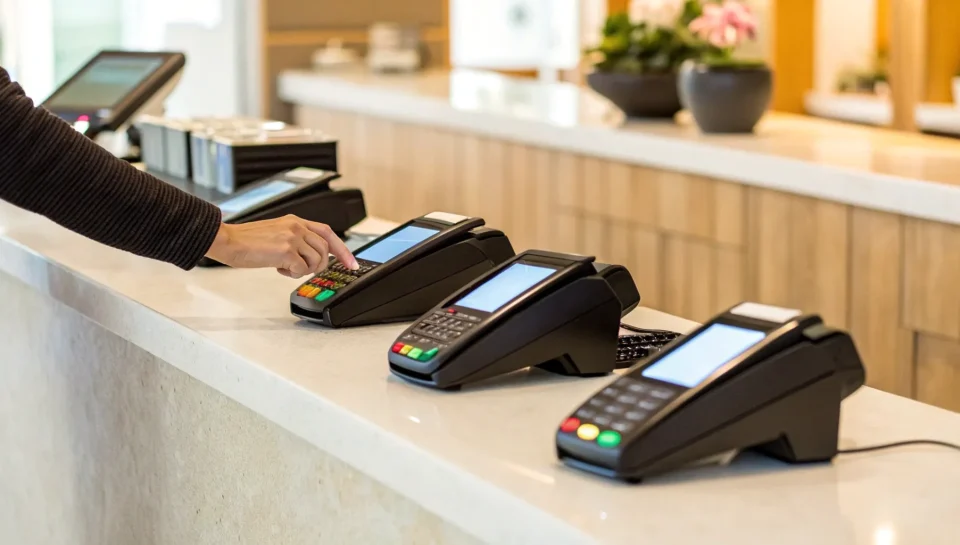
Small businesses are increasingly looking for convenient ways to accept payments without keeping customers tied to a traditional checkout counter. Whether a business operates at a retail store, market, event, restaurant, service location, or mobile workplace, payment flexibility can make everyday transactions easier.
Portable credit card terminals for small business provide a practical way to accept card payments in different locations. These compact devices can allow businesses to process transactions closer to customers while supporting commonly used payment methods.
Alongside physical payment devices, businesses can also use a Virtual terminal when payments need to be entered through a computer or other connected device. Understanding how these options work can help small businesses select a payment setup that matches their sales environment.
What Are Portable Credit Card Terminals?
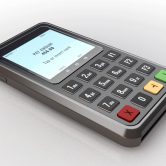
A portable credit card terminal is a payment device designed to process card transactions away from a fixed checkout station. Depending on the model and payment service, a card terminal may support chip cards, contactless payments, and magnetic-stripe cards.
Unlike traditional countertop payment equipment, portable terminals are designed with mobility in mind. Staff can potentially take the device directly to a customer, use it at different points within a business, or carry it to temporary selling locations.
This flexibility can be particularly useful for businesses that do not operate from a single checkout area.
Why Small Businesses Use Portable Card Terminals
Payment habits have changed considerably as customers have become more comfortable using cards and contactless payment methods. For small businesses, having a mobile payment option can support smoother transactions and more flexible selling arrangements.
- Payment Flexibility
A portable card terminal gives businesses more freedom over where payments are accepted. Employees may be able to process transactions at tables, counters, service areas, events, or other customer-facing locations.
This can be useful for businesses where customers do not always visit a conventional checkout counter.
- Convenient Customer Experiences
Customers often appreciate being able to complete a payment without moving to another location. A portable terminal can bring the payment process closer to the customer.
For example, a restaurant employee may take a payment at a table, while a market vendor can accept payment directly at a booth.
- Support for Different Business Environments
Portable credit card terminals for small business operations can be useful across many industries. Retailers, restaurants, contractors, salons, repair services, event vendors, and other small businesses may benefit from having payment equipment that can move with their operations.
The appropriate setup depends on the business model, transaction volume, connectivity, and payment provider.
Portable Card Terminal vs. Virtual Terminal
A Virtual terminal and a physical card terminal can both help businesses accept payments, but they serve different purposes.
A Virtual terminal is generally a browser-based payment interface that allows an authorized user to manually enter transaction information using a computer or supported device. It can be useful for businesses that receive payments by phone, invoice, or other situations where the physical card is not presented directly.
A physical card terminal, on the other hand, is designed for in-person transactions. Customers can typically interact with the device to complete their payment.
The two solutions can complement each other. A small business that handles both in-person and remote transactions may use a physical terminal for face-to-face payments and a Virtual terminal for transactions that do not require a customer to be physically present.
Features to Consider in a Portable Card Terminal
Not every payment terminal provides the same capabilities. Small businesses should evaluate features according to their specific operating environment.
Connectivity
Connectivity is an important consideration for a portable terminal. Depending on the device, connectivity may involve Wi-Fi, cellular networks, Bluetooth, or another supported connection.
Businesses that operate in multiple locations should consider whether the terminal can maintain a suitable connection where payments are processed.
Contactless Payments
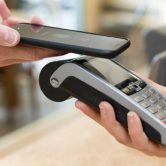
Contactless payments have become a common part of everyday transactions. A suitable terminal may support contactless cards and compatible mobile wallets, allowing customers to choose a payment method that fits their preferences.
Chip Card Support
Chip-based card transactions provide another commonly used payment method. Businesses should verify which card types and payment technologies are supported before selecting a device.
Battery Life
Because portability is a key advantage, battery performance matters. A terminal that is frequently moved around during business hours should have sufficient battery capacity for its expected usage.
Businesses can also consider charging routines, backup power options, and how frequently the device will be used away from a fixed power source.
Ease of Use
A payment device should be straightforward for employees to operate. Clear displays, simple transaction flows, and an intuitive interface can help reduce unnecessary steps during checkout.
How Portable Terminals Can Support Business Operations
Payment equipment is more than a transaction tool. It can become part of the broader customer experience and daily workflow.
For businesses with multiple service points, a portable terminal can help employees process payments where the interaction takes place. This may reduce the need for customers to move between different areas during a transaction.
For mobile businesses, portability can be even more important. A vendor attending an event or operating from temporary locations may need payment equipment that can travel with the business.
The right payment setup can therefore support both customer convenience and operational flexibility.
Security Considerations for Small Businesses
Payment security should be an important part of any card acceptance strategy. Businesses should work with payment providers that follow applicable payment security requirements and use appropriate transaction protections.
When evaluating portable credit card terminals for small business, consider features such as transaction encryption, authentication controls, software updates, and security certifications where applicable.
Employees should also receive basic training on safe payment procedures. Devices should be monitored, kept physically secure, and checked regularly for signs of tampering.
Businesses should avoid storing sensitive payment information unnecessarily and should follow the requirements established by their payment processor and applicable regulations.
Choosing the Right Payment Setup
The right solution depends on how, where, and when a business accepts payments.
Before choosing a card terminal, small businesses can consider several questions:
- Where will customers usually make payments?
- Does the business operate from multiple locations?
- Are contactless payments important to customers?
- Is Wi-Fi consistently available?
- Will employees need to take payments away from a counter?
- Does the business also accept phone or remote payments?
- How many transactions are processed during a typical day?
Businesses that mainly process face-to-face payments may prioritize a physical portable terminal. Those handling both in-person and remote transactions may benefit from combining a portable terminal with a Virtual terminal.
Final Thoughts
Payment flexibility can play an important role in how small businesses serve customers. Portable credit card terminals for small business operations provide a way to move payment processing beyond a fixed checkout area while supporting modern card and contactless payment experiences.
A portable card terminal can be useful for retailers, restaurants, mobile vendors, service providers, and other businesses that need greater freedom in where transactions take place. Meanwhile, a Virtual terminal can provide another option for businesses handling payments remotely.
Rather than selecting payment equipment based only on features, businesses should consider their daily workflow, connectivity, customer preferences, security requirements, and transaction needs. A payment setup aligned with these factors can make payment processing more practical and adaptable as the business grows.