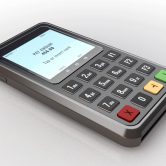

Virtual terminals supporting flexible payment processing

In today’s fast-moving digital economy, businesses need payment solutions that match customer expectations for speed, convenience, and security. Whether you run a small retail shop, manage a service-based business, or operate remotely, the ability to accept payments from anywhere is no longer optional—it’s essential.
This is where Virtual terminals come into play. A Virtual terminal allows businesses to process payments without needing a physical card reader in front of the customer. Combined with tools like a portable credit card machine for small business, companies can create a seamless and flexible payment ecosystem.
In this blog, we’ll explore how virtual terminals support flexible payment processing, their benefits, use cases, and how they can transform your business operations.
What Are Virtual Terminals?
A Virtual terminal is a web-based application that allows businesses to accept card payments manually. Instead of swiping or tapping a card, you enter the customer’s card details into a secure online interface to complete the transaction.
Unlike traditional POS systems, Virtual terminals don’t require specialized hardware. All you need is:
- A device (computer, tablet, or smartphone)
- An internet connection
- Access to a payment gateway or merchant account
This makes virtual terminals an ideal solution for businesses that operate remotely or handle payments over the phone or via email.
How Virtual Terminals Work
Using a Virtual terminal is simple and efficient:
- The customer provides their card details (via phone, email, or secure form).
- You log in to your virtual terminal dashboard.
- Enter the payment amount and card information.
- Submit the transaction securely.
- Receive instant confirmation and provide a receipt.
This process eliminates the need for physical interaction while ensuring that payments are processed quickly and securely.
Why Businesses Need Flexible Payment Processing
Modern customers expect multiple payment options. Limiting your business to in-person transactions can lead to missed opportunities and reduced customer satisfaction.
Flexible payment processing allows businesses to:
- Accept payments remotely
- Serve customers across different locations
- Reduce dependency on physical infrastructure
- Improve cash flow with faster transactions
By integrating Virtual terminals with a portable credit card machine for small business, companies can offer both remote and in-person payment options effortlessly.
Key Benefits of Virtual Terminals
- Accept Payments Anywhere
With a Virtual terminal, you are no longer tied to a physical store. Whether you’re working from home, traveling, or managing field operations, you can process payments from anywhere.
This flexibility is especially valuable for:
- Freelancers and consultants
- Delivery services
- Home-based businesses
- No Specialized Hardware Required
One of the biggest advantages of Virtual terminals is that they eliminate the need for expensive POS systems. While a portable credit card machine for small business is useful for face-to-face payments, virtual terminals handle remote transactions efficiently.
This reduces setup costs and simplifies operations.
- Faster Payment Collection
Waiting for bank transfers or invoices to clear can slow down your cash flow. A Virtual terminal enables instant payment processing, allowing you to collect funds quickly.
This is particularly beneficial for service providers who charge after completing a job.
- Enhanced Customer Convenience
Customers appreciate having multiple payment options. With Virtual terminals, they can pay without visiting your location or using cash.
You can accept payments:
- Over the phone
- Through email instructions
- Via remote billing
This convenience leads to higher customer satisfaction and repeat business.
- Improved Record Keeping
Most virtual terminal systems come with built-in reporting tools. These features help you:
- Track transactions
- Monitor sales performance
- Generate reports for accounting
This makes financial management easier and more accurate.
- Secure Transactions
Security is a top priority in digital payments. A reliable Virtual terminal uses encryption and compliance standards to protect sensitive card information.
By following best practices, businesses can minimize fraud risks while maintaining customer trust.
Virtual Terminals vs Portable Credit Card Machines
While both tools are essential, they serve different purposes. Understanding the difference helps you choose the right solution for your business.
Virtual Terminals
- Ideal for remote payments
- No physical card required
- Accessible via browser or app
- Suitable for phone or online transactions
Portable Credit Card Machine for Small Business
- Designed for in-person transactions
- Supports tap, swipe, or chip payments
- Useful for retail, events, and mobile businesses
By combining Virtual terminals with a portable credit card machine for small business, businesses can cover all payment scenarios—both online and offline.
Use Cases Across Industries
- Service-Based Businesses
Professionals like electricians, plumbers, and consultants often need to collect payments after completing a job. A Virtual terminal allows them to process payments instantly without carrying bulky equipment.
- Healthcare Providers
Clinics and medical professionals can use Virtual terminals to accept payments for consultations conducted over the phone or online.
- E-commerce and Remote Sellers
Even if you don’t have a full-fledged e-commerce website, a Virtual terminal lets you accept card payments manually, making it easier to manage orders.
- Hospitality and Travel
Hotels and travel agencies often take bookings remotely. Virtual terminals make it easy to process advance payments and reservations securely.
- Small Retail Businesses
Retailers can complement their portable credit card machine for small business with a virtual terminal to accept orders over the phone or social media.
How to Choose the Right Virtual Terminal
Selecting the right Virtual terminal depends on your business needs. Here are some factors to consider:
- Ease of Use
Choose a platform with a simple interface that your team can use without extensive training.
- Security Features
Look for encryption, tokenization, and compliance with payment security standards.
- Integration Options
Ensure the virtual terminal integrates with your accounting or CRM systems.
- Pricing Structure
Understand transaction fees and monthly costs before making a decision.
- Customer Support
Reliable support ensures smooth operations and quick issue resolution.
Best Practices for Using Virtual Terminals
To maximize the benefits of Virtual terminals, follow these best practices:
- Always use secure networks when processing payments
- Verify customer details before entering card information
- Keep your login credentials confidential
- Regularly update your software and systems
- Train staff on secure payment handling
These steps help maintain efficiency and security in your payment processes.
The Future of Payment Processing
As businesses continue to adopt digital solutions, Virtual terminals will play an even bigger role in payment ecosystems. The demand for flexible, contactless, and remote payment options is growing rapidly.
Technologies like mobile wallets, cloud-based systems, and AI-driven analytics are further enhancing the capabilities of virtual terminals. When combined with a portable credit card machine for small business, they create a powerful, future-ready payment solution.
Conclusion
Flexible payment processing is no longer a luxury—it’s a necessity for businesses that want to stay competitive. Virtual terminals provide a simple, cost-effective way to accept payments remotely, while a portable credit card machine for small business ensures seamless in-person transactions.
By adopting these tools, businesses can improve customer experience, increase efficiency, and boost revenue. Whether you’re a small business owner or a growing enterprise, investing in the right payment solutions can make all the difference.