
Security Functions Built Into Modern Card Machines Today

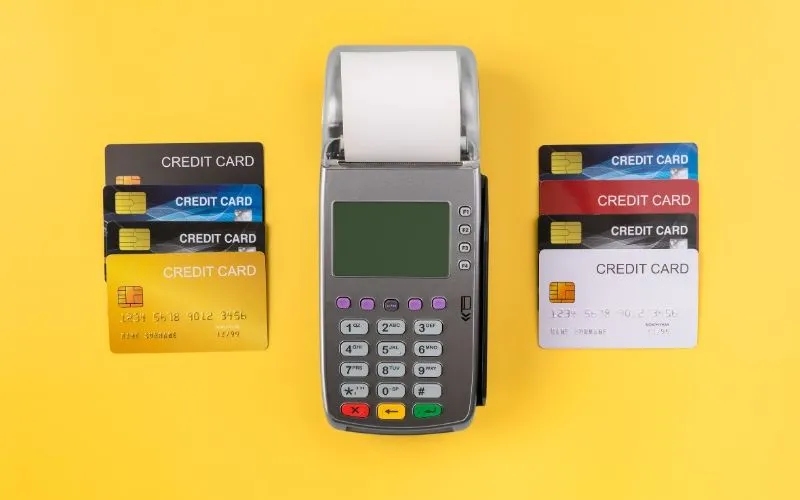
In today’s digital-first economy, businesses process payments through multiple channels, including in-store transactions, online sales, and remote payments. As payment technology evolves, security remains a critical concern for merchants and customers alike. Modern card machines are designed with advanced protection mechanisms that help safeguard sensitive financial information and reduce the risk of fraud.
Whether a business operates from a physical location, uses Virtual terminals for remote transactions, or relies on connectivity solutions such as Starlink Rental services for temporary events and mobile operations, secure payment processing is essential. Understanding the security functions built into today’s payment devices can help businesses make informed decisions while protecting customer trust.
Why Payment Security Matters
Every payment transaction involves sensitive data, including card numbers, customer information, and authentication credentials. Cybercriminals constantly seek opportunities to intercept or misuse this information. A security breach can lead to financial losses, reputational damage, regulatory penalties, and reduced customer confidence.
Modern card machines are specifically engineered to address these challenges through multiple layers of security. Rather than relying on a single protective measure, they combine hardware, software, encryption, and authentication technologies to create a secure payment environment.
EMV Chip Technology
One of the most important security features in modern payment devices is EMV chip technology. Unlike traditional magnetic stripe cards, EMV-enabled cards generate a unique transaction code for every purchase.
This dynamic authentication process makes it significantly more difficult for criminals to duplicate card information or create counterfeit cards. Even if transaction data is intercepted, the information cannot easily be reused for fraudulent purchases.
Most modern card machines support EMV chip payments, helping businesses reduce fraud risks while meeting industry payment standards.
End-to-End Encryption
Encryption plays a vital role in payment security. Modern card machines use end-to-end encryption to protect sensitive cardholder information throughout the transaction process.
When a customer inserts, taps, or swipes their card, the payment data is immediately encrypted before transmission. The information remains unreadable until it reaches the authorized payment processor.
This security layer prevents attackers from accessing usable card data even if communication networks are compromised. Businesses that operate remotely or use mobile payment setups can particularly benefit from encrypted transactions.
Tokenization for Enhanced Protection
Tokenization has become a key component of secure payment processing. Instead of storing actual card numbers, tokenization replaces sensitive information with randomly generated tokens.
These tokens have no meaningful value outside the payment system, making them useless to potential attackers. If a database breach occurs, exposed tokens cannot be used to reconstruct the original card details.
Many payment ecosystems that support Virtual terminals and recurring billing systems rely heavily on tokenization to secure stored payment information.
Contactless Payment Security
Contactless payments continue to grow in popularity due to their speed and convenience. Modern card machines support NFC (Near Field Communication) technology, allowing customers to pay using contactless cards, smartphones, or digital wallets.
Security measures built into contactless transactions include:
- Encrypted communication
- Dynamic transaction credentials
- Transaction limits for certain payment types
- Device authentication requirements
Digital wallets often add another layer of protection through biometric verification such as fingerprint or facial recognition before a payment can be approved.
PCI Compliance Features
The Payment Card Industry Data Security Standard (PCI DSS) establishes guidelines for protecting payment information. Modern card machines are designed to support PCI compliance requirements.
These devices typically include:
- Secure data handling protocols
- Encrypted storage systems
- Tamper-resistant hardware
- Controlled access mechanisms
Businesses using compliant payment systems can better protect customer information while meeting industry expectations for payment security.
Tamper Detection and Resistance
Physical security is just as important as digital security. Criminals may attempt to modify payment devices to capture card information or intercept transactions.
To prevent this, modern card machines include tamper-resistant and tamper-detection features. These mechanisms can identify unauthorized attempts to open, alter, or manipulate the device.
If tampering is detected, the machine may automatically disable sensitive functions, erase cryptographic keys, or alert system administrators. This significantly reduces the risk of physical payment fraud.
Secure Software Updates
Cyber threats constantly evolve, requiring payment technology to adapt. Modern payment devices receive software and firmware updates that address vulnerabilities and improve protection.
Secure update systems ensure that only verified and authorized software can be installed on the device. This prevents attackers from introducing malicious code or unauthorized modifications.
Businesses should regularly maintain their payment systems to ensure security patches and feature updates remain current.
Multi-Factor Authentication
Authentication controls help verify that only authorized users can access payment systems. Many payment platforms now incorporate multi-factor authentication (MFA) for administrative access and transaction management.
Common authentication methods include:
- Password verification
- One-time passcodes
- Mobile authentication apps
- Biometric verification
This additional security layer helps protect payment systems from unauthorized access, particularly when managing Virtual terminals and online payment platforms.
Security in Virtual Terminals
As remote and phone-based payments become more common, businesses increasingly use Virtual terminals to process transactions without a physical card present.
Because card-not-present transactions can carry higher fraud risks, virtual terminal providers typically include advanced security measures such as:
- User authentication controls
- Secure encrypted connections
- Tokenized payment storage
- Transaction monitoring systems
- Fraud detection tools
These protections help businesses safely accept payments while maintaining a smooth customer experience.
Secure Connectivity for Mobile Operations
Businesses operating in remote locations, temporary venues, outdoor events, and mobile work environments often require dependable internet connectivity to process payments securely.
This is where solutions like Starlink Rental can support payment operations. Temporary satellite internet services allow businesses to maintain payment connectivity even in areas with limited traditional network infrastructure.
When using Starlink Rental alongside modern card machines, businesses can continue processing secure transactions while benefiting from encrypted communications and payment security protocols. Reliable connectivity helps ensure payment authorizations, security checks, and transaction data transfers occur without interruption.
Real-Time Fraud Monitoring
Many payment ecosystems include real-time fraud detection systems that continuously analyze transaction activity.
These systems can identify unusual patterns such as:
- Unexpected purchase amounts
- Rapid transaction sequences
- Geographic inconsistencies
- High-risk payment behaviors
When suspicious activity is detected, additional verification steps may be triggered before the transaction is approved. This proactive monitoring helps reduce fraud while protecting both merchants and customers.
Customer Confidence Through Security
Security features do more than prevent fraud—they also build customer trust. Consumers are increasingly aware of cybersecurity risks and often prefer businesses that prioritize payment protection.
Visible indicators such as contactless payment acceptance, secure chip transactions, encrypted payment processing, and trusted payment technologies reassure customers that their information is being handled responsibly.
As payment technology continues to evolve, security remains a major factor influencing customer satisfaction and business reputation.
Conclusion
Modern card machines have become sophisticated security tools that protect businesses and consumers from a wide range of payment threats. Features such as EMV chip technology, encryption, tokenization, tamper detection, secure software updates, and fraud monitoring work together to create safer payment environments.
Whether processing transactions in-store, through Virtual terminals, or at remote locations supported by Starlink Rental, businesses can benefit from the robust security capabilities built into today’s payment systems. By understanding these features and implementing secure payment practices, organizations can reduce risk, maintain compliance, and strengthen customer confidence in every transaction.