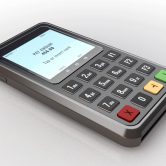

Card Machines Security Standards Every Business Should Know

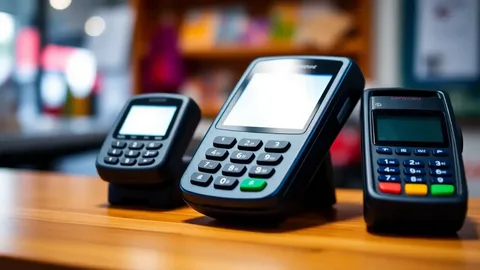
Modern businesses rely heavily on digital payment systems to serve customers quickly and securely. Whether you operate a retail store, restaurant, online shop, or service business, using secure card machines has become essential for daily operations. As payment technology continues to evolve, businesses must understand the security standards that protect customer information and reduce fraud risks.
Today’s customers expect fast and secure transactions. A single data breach can damage customer trust, affect business reputation, and lead to financial losses. This is why choosing the right card machine and following payment security standards are critical for both physical and E commerce payments.
In this guide, we will explain the most important card machines security standards every business should know and how they help protect transactions in both online and in-store environments.
Why Payment Security Matters
Payment fraud continues to increase across multiple industries. Businesses handling customer card details are attractive targets for cybercriminals. Without proper protection, sensitive financial information can be stolen during transactions.
Secure card machines help businesses:
- Protect customer payment information
- Reduce fraud risks
- Improve customer trust
- Meet industry compliance requirements
- Secure E commerce payments and retail transactions
Strong payment security is not only about protecting data but also about maintaining smooth business operations and customer confidence.
Understanding PCI DSS Compliance
One of the most important security standards for card machines is PCI DSS, which stands for Payment Card Industry Data Security Standard.
PCI DSS is a global security framework created to protect cardholder data during transactions. Any business that accepts debit or credit card payments must follow these requirements.
Key PCI DSS Requirements
Businesses using a card machine should focus on the following areas:
- Secure networks and systems
- Data encryption during transactions
- Restricted access to customer information
- Regular security monitoring
- Updated antivirus and software protection
PCI DSS compliance helps businesses prevent unauthorized access to payment information and strengthens transaction security.
EMV Chip Technology in Card Machines
EMV technology has become a major security feature in modern card machines. EMV stands for Europay, Mastercard, and Visa, the companies that developed the chip-based payment standard.
Unlike magnetic stripe cards, EMV chip cards generate a unique transaction code for every payment. This makes it extremely difficult for criminals to duplicate card information.
Benefits of EMV Card Machines
Businesses using EMV-enabled card machines gain several advantages:
- Reduced counterfeit card fraud
- Improved payment authentication
- Safer customer transactions
- Better protection against cloned cards
EMV technology is now widely used in retail stores, restaurants, and service businesses worldwide.
Encryption and Tokenization
Encryption is another critical security standard for card machines and E commerce payments. It converts sensitive payment data into unreadable code during transactions.
If hackers intercept encrypted data, they cannot read or misuse it without the proper decryption key.
What Is Tokenization?
Tokenization replaces sensitive card information with randomly generated tokens. These tokens have no value outside the payment system, making them useless to cybercriminals.
For businesses handling E commerce payments, tokenization offers extra protection for online transactions and stored payment details.
Why Encryption Matters
Secure encryption helps businesses:
- Protect customer financial data
- Secure online and offline transactions
- Reduce payment fraud risks
- Improve customer confidence
Modern card machine providers typically include advanced encryption technologies as part of their payment systems.
Contactless Payment Security
Contactless payments have become increasingly popular due to their speed and convenience. Customers can simply tap their cards or mobile devices on card machines to complete transactions.
While contactless payments are fast, they also require strong security measures.
Security Features in Contactless Payments
Most secure card machines include:
- Encrypted wireless communication
- Transaction limits for tap payments
- Dynamic transaction authentication
- Fraud monitoring systems
Contactless payment technology combines convenience with security, making it suitable for both small businesses and larger retailers.
Secure E Commerce Payments
Businesses selling products or services online must pay special attention to E commerce payments security. Online transactions face different risks compared to in-store payments.
Hackers often target websites with weak payment security systems. Businesses should use secure payment gateways and trusted processors to reduce vulnerabilities.
Essential E Commerce Security Measures
For secure E commerce payments, businesses should:
- Use SSL certificates on websites
- Enable two-factor authentication
- Choose PCI-compliant payment providers
- Monitor suspicious transaction activity
- Update website software regularly
Combining secure card machines with protected E commerce payments creates a safer overall payment ecosystem.
Point-to-Point Encryption (P2PE)
Point-to-Point Encryption, or P2PE, is another important security standard for card machines. This technology encrypts payment information immediately when the card is inserted, tapped, or swiped.
The encrypted data remains protected until it reaches the payment processor.
Advantages of P2PE
Businesses benefit from:
- Reduced data breach risks
- Stronger payment security
- Safer customer transactions
- Simplified compliance management
P2PE is especially valuable for businesses processing large transaction volumes daily.
Regular Software Updates and Maintenance
Even the most advanced card machine can become vulnerable if software updates are ignored. Payment providers regularly release updates to fix security weaknesses and improve performance.
Businesses should:
- Update payment terminals regularly
- Replace outdated card machines
- Monitor system activity
- Train staff on payment security practices
Routine maintenance helps businesses stay protected against evolving cyber threats.
Employee Training and Security Awareness
Human error remains one of the biggest causes of payment security breaches. Employees handling transactions should understand how to use card machines securely.
Important Training Areas
Staff should learn:
- How to identify suspicious transactions
- Safe handling of customer information
- Proper card machine usage
- Password and login security
- Fraud prevention procedures
Well-trained employees help strengthen overall business security and reduce payment risks.
Choosing Secure Card Machines for Your Business
Not all payment terminals offer the same level of protection. Businesses should evaluate security features before selecting a card machine provider.
Features to Look For
Choose card machines that include:
- PCI DSS compliance
- EMV chip support
- Contactless payment capability
- Encryption and tokenization
- Fraud detection tools
- Secure E commerce payments integration
Reliable security features help businesses process transactions confidently while protecting customer data.
Future Trends in Payment Security
Payment technology continues to evolve rapidly. Businesses should stay informed about emerging security trends to maintain safe transactions.
Upcoming Security Innovations
Future card machines may include:
- Biometric authentication
- AI-powered fraud detection
- Advanced mobile payment protection
- Cloud-based payment security systems
As digital payments continue growing, stronger security standards will become even more important for businesses of all sizes.
Conclusion
Secure payment processing is essential for modern businesses. Whether handling in-store transactions or E commerce payments, businesses must understand and follow important security standards.
Using advanced card machines with EMV technology, encryption, tokenization, and PCI DSS compliance helps protect customer information and reduce fraud risks. Regular software updates, employee training, and secure payment gateways also play a major role in maintaining payment security.
Businesses that invest in secure card machine technology not only protect sensitive financial data but also build stronger customer trust and long-term operational stability.