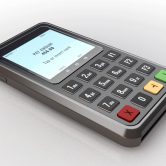

Card Machines and the Evolution of Digital Payments

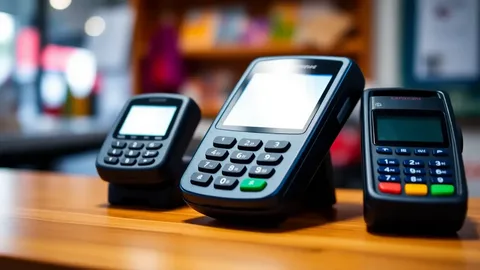
The way businesses accept payments has changed dramatically over the past few decades. From cash-only transactions to advanced contactless payment solutions, technology has reshaped how consumers and businesses exchange money. At the center of this transformation are card machines, which have become an essential tool for merchants across industries.
Today, digital payments are faster, more secure, and more convenient than ever before. Alongside innovations such as Virtual terminals and connectivity solutions like Starlink Rental, businesses can now process payments virtually anywhere. Understanding how these technologies have evolved provides valuable insight into the future of commerce and customer expectations.
The Early Days of Electronic Payments
Before digital payment systems became mainstream, businesses relied heavily on cash and paper-based transactions. Credit cards existed, but processing payments often involved manual procedures that were time-consuming and prone to errors.
The introduction of electronic card machines marked a significant shift. These devices enabled merchants to verify card details electronically, reducing transaction times and improving accuracy. As banking networks expanded, payment processing became more efficient, paving the way for wider adoption of card-based transactions.
Businesses quickly recognized the benefits of electronic payment acceptance, including faster checkouts, improved recordkeeping, and enhanced customer convenience.
How Card Machines Have Evolved
Modern card machines are far more sophisticated than their early counterparts. Today’s devices support multiple payment methods, including:
- Chip and PIN transactions
- Contactless card payments
- Mobile wallet payments
- QR code payments
- Digital payment integrations
The rise of contactless technology has significantly changed consumer behavior. Customers now expect quick, seamless transactions without the need to handle cash or enter lengthy payment information.
Additionally, cloud-based payment systems have enabled businesses to access transaction data in real time. This provides valuable insights into customer purchasing habits, helping merchants make informed business decisions.
As payment technology continues to advance, card machines are becoming smarter, more portable, and better integrated with broader business management systems.
The Growing Demand for Digital Payments
Consumer preferences have played a major role in the evolution of digital payments. People increasingly value convenience, speed, and security when making purchases.
Several factors have contributed to this shift:
Increased Smartphone Usage
Smartphones have transformed the payment landscape by enabling mobile wallets and app-based transactions. Customers can now pay with a simple tap, reducing friction during checkout.
E-Commerce Growth
Online shopping has accelerated the demand for digital payment solutions. Businesses need secure ways to process remote transactions while maintaining customer trust.
Contactless Payment Adoption
The popularity of contactless payments has encouraged businesses to upgrade their card machines to support modern payment methods. Faster transaction times improve customer satisfaction and reduce queues.
Enhanced Security Standards
Advancements in encryption, tokenization, and fraud prevention technologies have strengthened digital payment security. These measures help protect both businesses and customers from payment-related risks.
The Role of Virtual Terminals in Modern Commerce
As digital payments expanded beyond physical storefronts, businesses required flexible methods for accepting payments remotely. This need led to the rise of Virtual terminals.
A Virtual terminal allows businesses to process card payments through a secure online interface rather than a physical payment device. This solution is particularly valuable for:
- Telephone orders
- Mail orders
- Remote services
- Professional consultations
- Subscription-based businesses
With Virtual terminals, merchants can manually enter customer payment information and complete transactions securely. This capability provides flexibility for businesses that operate outside traditional retail environments.
For many organizations, combining physical card machines with Virtual terminals creates a comprehensive payment strategy that supports both in-person and remote transactions.
Starlink Rental and Payment Connectivity
Reliable internet connectivity is critical for digital payment processing. In areas where traditional internet infrastructure may be limited, connectivity challenges can disrupt business operations.
This is where Starlink Rental solutions can play an important role. By providing satellite-based internet access, Starlink Rental enables businesses to maintain reliable connectivity in remote locations, temporary setups, and mobile operations.
Industries that may benefit include:
- Outdoor events
- Construction sites
- Mobile retail operations
- Remote hospitality businesses
- Pop-up stores
When combined with modern card machines, Starlink Rental helps ensure uninterrupted payment processing, even in locations where conventional internet services may not be available.
As digital payments become increasingly dependent on internet connectivity, solutions that improve network access will continue to support business growth and customer convenience.
Benefits of Modern Card Machines
Businesses that adopt advanced payment technology can experience several advantages.
Faster Transactions
Modern card machines process payments quickly, reducing wait times and improving customer experiences.
Improved Customer Satisfaction
Consumers appreciate having multiple payment options. Supporting contactless payments, digital wallets, and traditional card payments helps meet diverse customer preferences.
Better Business Insights
Many payment systems provide detailed transaction reporting and analytics. These insights can support inventory management, marketing strategies, and financial planning.
Enhanced Security
Current payment technologies include advanced security features designed to protect sensitive payment data. Encryption and fraud detection systems help reduce risks associated with digital transactions.
Greater Mobility
Portable card machines allow businesses to accept payments from virtually anywhere, supporting mobile operations and field-based services.
The Future of Digital Payments
The evolution of digital payments shows no signs of slowing down. Emerging technologies are expected to further transform how businesses and consumers interact financially.
Some key trends include:
Artificial Intelligence in Payments
AI-powered systems can help identify suspicious transactions, improve fraud detection, and enhance customer experiences through personalized payment options.
Biometric Authentication
Fingerprint scanning, facial recognition, and other biometric technologies may become increasingly common as businesses seek stronger security measures.
Integrated Commerce Platforms
Future payment ecosystems will likely combine inventory management, customer relationship management, and payment processing into unified platforms.
Expanded Remote Payment Solutions
As remote work and online services continue to grow, demand for Virtual terminals and digital payment systems will remain strong.
Improved Global Connectivity
Technologies such as Starlink Rental may help businesses operate more effectively in underserved regions, expanding access to digital commerce opportunities worldwide.
Choosing the Right Payment Solutions
Selecting the appropriate payment technology depends on business needs, customer preferences, and operational requirements.
Businesses should consider:
- Transaction volume
- Mobility requirements
- Internet connectivity availability
- Security needs
- Customer payment preferences
- Integration capabilities
Many organizations benefit from a combination of card machines, Virtual terminals, and dependable connectivity solutions such as Starlink Rental. Together, these tools create a flexible payment ecosystem capable of supporting modern business operations.
Conclusion
The evolution of digital payments has fundamentally changed the way businesses and consumers conduct transactions. From the introduction of electronic card machines to the growing use of Virtual terminals and connectivity solutions like Starlink Rental, payment technology continues to improve efficiency, convenience, and security.
As customer expectations evolve and new technologies emerge, businesses that embrace modern payment solutions will be better positioned to meet market demands. Whether processing payments in a storefront, online, or in remote locations, the future of digital commerce will continue to be shaped by innovation, connectivity, and seamless payment experiences.