
How POS Card Machines Simplify Customer Payments Experiences

In today’s fast-paced business environment, customers expect payments to be quick, secure, and convenient. Whether shopping in a retail store, dining at a restaurant, or paying for a service, customers value a smooth checkout experience. This is where card machines play an important role. Modern point-of-sale (POS) technology helps businesses accept electronic payments efficiently while making transactions easier for customers.
From contactless payments to chip-and-PIN transactions, a reliable card terminal allows businesses to offer flexible payment options and reduce unnecessary delays at checkout. By understanding how POS card machines work and the benefits they provide, businesses can make informed decisions about improving their payment processes and customer satisfaction.
What Are POS Card Machines?
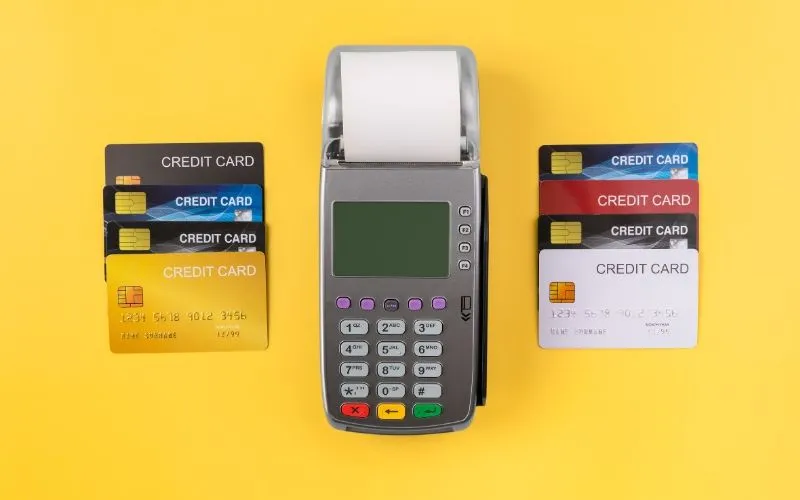
POS card machines are electronic devices that allow businesses to accept payments using debit cards, credit cards, and supported contactless payment methods. They process transactions by securely communicating with payment systems to authorise or decline a payment.
Depending on the business’s needs, a card terminal can be countertop, portable, or mobile. Countertop devices are suitable for fixed checkout points, portable machines offer flexibility within business premises, and mobile devices allow payments in different locations.
Modern card machines may also support contactless cards and compatible mobile wallets, helping customers pay using their preferred method. These capabilities make POS technology an essential part of today’s customer-focused payment experience.
- Faster Transactions and Shorter Queues
Long queues can frustrate customers, particularly during busy shopping periods. Traditional cash payments may require staff to count notes, calculate change, and handle cash securely. Card machines help simplify this process by enabling electronic transactions.
Customers can insert, tap, or swipe their payment cards, depending on the device’s capabilities. Contactless transactions can be particularly convenient for eligible purchases because they reduce the steps required at checkout.
For businesses, faster payment processing can help staff serve more customers during peak hours. For customers, it means less waiting and a more efficient shopping experience.
Although transaction times depend on connectivity, payment authorisation, and the payment method, a suitable card terminal can help create a smoother checkout process.
- Offering Flexible Payment Options
Every customer has different payment preferences. Some prefer debit cards, others use credit cards, while many choose contactless payments through smartphones or smartwatches.
Modern card machines can support multiple payment methods, depending on the model, payment provider, and merchant account configuration. Offering these options allows businesses to accommodate more customers without relying entirely on cash.
Flexible payment choices are particularly useful for retailers, hospitality businesses, salons, and service providers. Customers can select a convenient payment method, helping make the final stage of a purchase simpler.
Businesses should check which card schemes, contactless options, and digital wallets their chosen device supports before purchasing a card terminal.
- Improving Payment Security
Security is an important part of a positive payment experience. Customers want confidence that their payment information will be handled safely whenever they make a purchase.
Card machines support electronic payment processing through security features such as chip technology, PIN verification, and contactless transaction controls. Depending on the device and payment solution, additional protections may include encryption and compliance with relevant payment card industry requirements.
These measures help reduce the risks associated with handling physical cash and support safer payment processes. However, no payment method is completely risk-free, so businesses must also follow appropriate security practices.
Staff should keep devices updated, protect access credentials, inspect terminals for suspicious alterations, and follow their payment provider’s guidance. Choosing a reputable payment solution helps businesses maintain customer confidence during transactions.
- Making Contactless Payments More Convenient
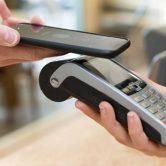
Contactless technology has transformed how customers pay for everyday purchases. Instead of inserting a card and entering a PIN for every eligible transaction, customers can tap their contactless card or supported mobile device against the payment reader.
This simple process is especially helpful in busy environments where checkout speed matters. Cafés, convenience stores, takeaway businesses, and transport-related services can benefit from making small transactions easier to complete.
A modern card terminal that supports contactless payments can also improve convenience for customers who prefer carrying fewer physical items.
Contactless payment availability and verification requirements depend on the card issuer, transaction amount, device settings, and applicable payment rules. Businesses should ensure their equipment supports the payment methods their customers commonly use.
- Creating a More Professional Checkout Experience
The checkout process shapes a customer’s final impression of a business. A reliable payment system can help create a more organised and professional experience.
Modern card machines provide a straightforward way to complete purchases, while clear transaction prompts help customers understand what they need to do. Many devices also provide transaction confirmations or printed receipts, depending on their features.
For businesses, a dedicated card terminal can help separate payment processing from other checkout activities. Staff can focus on customer service instead of managing complicated cash-handling procedures.
A professional checkout experience is particularly valuable for small businesses seeking to build customer trust and encourage repeat visits.
- Supporting Flexible Business Operations
Not every business operates from a traditional checkout counter. Some serve customers at tables, visit clients at home, attend exhibitions, or operate temporary stalls.
Portable and mobile card machines make it possible to accept payments away from a fixed till, provided the device has suitable connectivity and service coverage.
Restaurants can bring a portable terminal to the customer’s table, while tradespeople and mobile service providers can collect payments at the point of service. Market traders can also offer card payments without needing a permanent payment counter.
Selecting the right device depends on the business environment, expected transaction volume, connectivity requirements, battery life, and payment processing costs.
- Helping Businesses Manage Payments Efficiently
A smooth customer experience also depends on what happens behind the scenes. Card machines can help businesses organise electronic transactions and reconcile payments more efficiently.
Depending on the payment provider and connected software, businesses may be able to review transaction records, access digital reports, and track settlement activity. These features can reduce some manual administrative work and make it easier to identify discrepancies.
Reliable transaction records also help businesses understand payment activity and maintain accurate financial documentation.
Before choosing a card terminal, business owners should review the available reporting tools, settlement schedules, integration options, and support services to ensure the solution meets their operational needs.
How to Choose the Right Card Machine for Your Business
Choosing the right card machine starts with understanding your customers and how your business operates. Consider the following factors before making a decision:
- Payment methods: Check support for debit cards, credit cards, and contactless payments.
- Connectivity: Decide whether Wi-Fi, mobile data, or a wired connection best suits your premises.
- Portability: Choose a countertop, portable, or mobile device according to your workflow.
- Transaction costs: Compare rental fees, transaction charges, and any additional service costs.
- Security: Confirm that the provider and device meet applicable payment security requirements.
- Customer support: Look for reliable technical assistance and clear guidance when issues arise.
For businesses exploring payment solutions, Wireless Terminal Solutions can help you understand available card machine options and identify a solution that suits your requirements.
Call 0345 459 9984 to discuss your business payment needs and find out more about suitable card machine solutions.
Conclusion
POS card machines have become an important part of delivering convenient, efficient, and secure customer payment experiences. They help businesses reduce checkout friction, accept a wider range of payment methods, improve transaction management, and serve customers in different environments.
By selecting a suitable card terminal and maintaining it properly, businesses can make payments easier for customers while supporting more efficient day-to-day operations. As customer expectations continue to evolve, investing in an appropriate payment solution can help businesses provide a smoother and more professional checkout experience.
Frequently Asked Questions (FAQs)
- What is a POS card machine?
A POS card machine is an electronic payment device that allows businesses to accept debit and credit card payments, including supported contactless transactions.
- How do card machines improve customer experiences?
Card machines make checkout more convenient by supporting electronic payments, reducing cash handling, and offering faster payment options where conditions allow.
- Can card machines accept contactless payments?
Yes. Many modern card machines support contactless cards and compatible mobile wallets, depending on the device and payment provider.
- Are card terminals secure for business transactions?
Card terminals use security measures such as chip technology and PIN verification. Security also depends on correct configuration, provider safeguards, and good business practices.
- Which type of card terminal is best for a small business?
A countertop terminal may suit a fixed shop, while portable or mobile devices may be better for restaurants, market traders, and businesses that travel to customers.
- What should I consider before choosing a card machine?
Compare supported payment methods, connectivity, portability, transaction fees, settlement arrangements, security features, and customer support before choosing a device.