
How Card Machines Help Reduce Payment Friction

For businesses today, a smooth payment experience is an important part of customer service. Customers expect transactions to be quick, convenient, and straightforward, whether they are shopping in a physical store, attending an event, or paying for a service. Delays, complicated payment processes, or limited payment options can create unnecessary friction.
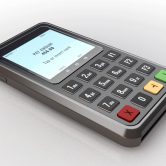
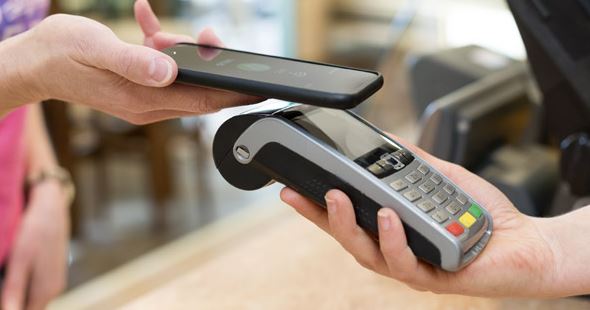
Modern card machines help businesses simplify the checkout process by supporting fast and flexible payment methods. From contactless transactions to mobile wallet payments, these devices make it easier for customers to complete purchases without unnecessary steps. Businesses can also use a card machine alongside other payment solutions to create a more connected payment experience.
What Is Payment Friction?
Payment friction refers to anything that makes completing a transaction more difficult than it needs to be. This can include slow checkout times, restricted payment options, technical issues, manual processes, or unclear payment procedures.
Even small inconveniences can affect the overall customer experience. For example, a customer who has to wait while payment details are manually entered may find the process frustrating. Similarly, a business that accepts only one type of payment could lose customers who prefer cards or digital wallets.
Reducing these obstacles can help create a faster and more convenient checkout experience.
How Card Machines Make Payments Faster
One of the main advantages of modern card machines is transaction speed. Customers can often pay by tapping, inserting, or swiping their card, depending on the device and payment method available.
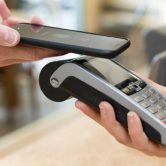
Contactless payments can be particularly useful in busy environments. Customers do not necessarily need to enter a PIN for eligible low-value transactions, allowing queues to move more efficiently.
Faster transactions can benefit businesses such as:
- Retail stores
- Restaurants and cafés
- Mobile businesses
- Hospitality providers
- Event operators
- Professional service providers
- Market and trade-stall businesses
By reducing the amount of time spent at checkout, businesses can serve more customers while providing a smoother experience.
Supporting Multiple Payment Methods
Customers have different payment preferences. Some prefer physical debit or credit cards, while others use smartphones, smartwatches, or other digital wallets.
A modern card machine can support several payment methods, depending on its specifications and payment provider. Offering multiple options gives customers greater flexibility and can prevent unnecessary payment delays.
For example, a customer may simply tap a contactless card or compatible device rather than searching for cash or manually entering payment information.
Providing flexible payment choices can therefore remove one of the common causes of payment friction: the lack of a preferred payment method.
Improving the Customer Checkout Experience
Payment is often the final stage of the customer journey. If everything before checkout has been positive but the transaction is slow or confusing, it can affect the overall impression of the business.
Well-integrated card machines can make the final stage more straightforward. Clear prompts, contactless functionality, and quick transaction processing can help customers understand what they need to do.
A simple payment process can also reduce pressure on employees. Staff members can spend less time troubleshooting basic payment procedures and more time helping customers with other needs.
Card Machines for Businesses on the Move
Payment friction is not limited to traditional shops. Businesses that operate away from fixed premises can also benefit from portable payment solutions.
Mobile businesses, event vendors, contractors, delivery services, and temporary retail operations may need to accept payments in different locations. A suitable portable card machine can provide greater flexibility where compatible connectivity and payment services are available.
This can help businesses avoid situations where customers are required to pay through inconvenient methods simply because there is no fixed checkout.
For businesses operating at events or temporary locations, reliable payment equipment can be especially useful when customer demand is concentrated into short periods.
How Virtual Terminals Complement Card Machines
Physical payment devices are not the only option available to businesses. Virtual terminals can provide another way to process payments when a physical card is not being used directly at a traditional checkout.
A virtual terminal can allow authorised businesses to process certain transactions through a computer or compatible device, depending on the payment provider and applicable requirements.
Using Virtual terminals alongside card machines can give businesses more flexibility. For example, a company may use a physical terminal for face-to-face transactions while using a virtual solution for eligible remote or manually entered payments.
The exact features and requirements vary between payment providers, so businesses should review the available functionality before choosing a solution.
Reducing Manual Payment Processes
Manual payment procedures can take more time and create opportunities for errors. Entering information repeatedly, checking transaction details, or switching between different systems can make the checkout process more complicated.
Automated payment technology can reduce some of these repetitive tasks. Modern card machines can communicate transaction information electronically, helping businesses streamline the payment stage.
Integration capabilities also vary between systems. Businesses should consider whether their payment equipment can work effectively with their existing point-of-sale or business management systems.
The objective is not simply to process payments but to create a workflow that fits naturally into everyday operations.
Supporting Contactless and Digital Payments
Contactless technology has changed how many customers expect to pay. Instead of inserting a card or handling cash, customers can often complete eligible transactions with a quick tap.
Digital wallets can provide another convenient option where supported. Customers may use compatible smartphones or wearable devices to make payments without presenting a physical bank card.
When businesses offer these options through suitable card machines, customers can choose the payment method that best suits them.
This flexibility is particularly valuable during busy periods, when even a few seconds saved per transaction can help reduce queues.
Choosing the Right Card Machine
Not every business has the same payment requirements. Before selecting a card machine, businesses should consider factors such as:
- Whether payments are mainly fixed-location or mobile
- Available connectivity options
- Supported payment methods
- Transaction processing speed
- Compatibility with existing systems
- Security features
- Reporting and transaction management
- Provider fees and contract terms
- Customer and technical support
Businesses should also consider future needs rather than selecting equipment based solely on current transaction volumes.
A suitable solution should fit the way the business operates while providing customers with practical payment choices.
Creating a More Efficient Payment Journey
Reducing payment friction is about more than purchasing payment equipment. Businesses should look at the complete customer journey, from selecting products or services through to receiving a receipt or confirmation.
A well-planned payment process can combine physical card machines, digital payment options, and Virtual terminals where appropriate. Staff should also understand how the equipment works so they can assist customers quickly if an issue occurs.
Reliable connectivity, clear procedures, and suitable payment technology can work together to create a more efficient checkout environment.
For businesses reviewing their payment setup, Wireless Terminal Solutions can be considered as part of the wider process of finding suitable payment technology.
Why Reducing Payment Friction Matters
Customers generally value convenience. A straightforward payment experience can make transactions easier for both customers and staff.
For businesses, reducing unnecessary payment steps can help improve operational efficiency. Faster checkout processes can also make it easier to manage busy periods and customer queues.
The goal is to make payment feel like a simple part of the customer journey rather than an obstacle at the end of it.
Modern card machines can contribute to this goal by supporting fast transactions, multiple payment methods, and flexible usage. Combined with appropriate digital payment tools, they can help businesses build a payment process suited to modern customer expectations.
Businesses looking to explore payment solutions can call us on 03454599984 to discuss their requirements.
Frequently Asked Questions
- How do card machines reduce payment friction?
Card machines can reduce payment friction by making transactions faster and supporting convenient payment methods such as contactless cards and compatible digital wallets.
- Can a card machine accept contactless payments?
Many modern card machines support contactless payments, although available features depend on the specific device, payment provider, and configuration.
- What are Virtual terminals used for?
Virtual terminals can allow eligible businesses to process certain card transactions through a computer or compatible device, depending on their payment provider.
- Are card machines suitable for mobile businesses?
Portable card machines can be suitable for businesses that accept payments away from a fixed location, provided the device has the necessary connectivity and service support.
- What should I consider when choosing a card machine?
Consider payment methods, connectivity, transaction fees, security, portability, compatibility, reporting features, customer support, and how well the solution fits your business operations.
Conclusion
Payment friction can create unnecessary delays for customers and staff. Card machines provide a practical way to simplify face-to-face transactions while supporting convenient payment methods such as contactless payments.
When combined with suitable Virtual terminals and well-planned payment processes, businesses can create a more flexible and efficient checkout experience. Selecting the right payment equipment ultimately depends on the business’s transaction needs, operating environment, and preferred payment methods.
Wireless Terminal Solutions can help businesses consider payment technology that aligns with their operational requirements and customer payment expectations.