
How Card Machines Handle Secure Customer Transactions

In today’s digital-first economy, customers expect fast, convenient, and secure ways to pay. Whether they are shopping in a physical store or completing an online purchase, payment security is a major part of the customer experience. Card machines play an important role in protecting payment information while helping businesses process transactions efficiently.
Modern payment technology combines encryption, authentication, tokenization, and fraud monitoring to reduce the risks associated with payment transactions. Similar security principles are also used across E commerce payments and Website payments, helping businesses protect customers and maintain confidence during checkout.
What Are Card Machines?
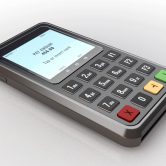
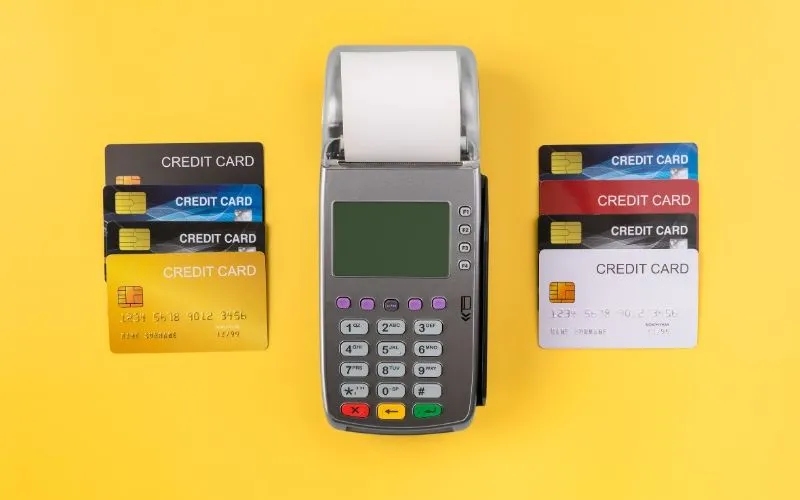
Card machines are payment terminals that allow businesses to accept debit and credit card transactions. Depending on the model, they may support chip-and-PIN cards, contactless cards, mobile wallets, and other digital payment methods.
When a customer presents a card or mobile device, the card machine communicates with the payment network to authorize the transaction. This process typically involves the merchant, payment processor, card network, and customer’s bank.
Modern card machines do more than simply accept payments. They incorporate multiple security measures designed to protect sensitive payment information throughout the transaction.
How Card Machines Secure Transactions
A secure payment involves several stages. Each stage can include security measures that help prevent unauthorized access, fraudulent transactions, and exposure of sensitive information.
- Card Authentication
One of the first security steps is confirming that the payment method can be used for the transaction.
For chip-based cards, the embedded chip generates transaction-specific information. This makes it considerably more difficult for criminals to reuse intercepted transaction data.
Contactless payments use similar security concepts. When a customer taps a compatible card or device on a payment terminal, information is exchanged securely between the payment method and terminal.
Depending on the transaction and payment method, additional verification may be required, such as entering a PIN or using biometric authentication on a mobile device.
- Encryption Protects Payment Data
Encryption is another important component of payment security. It converts sensitive information into an encoded format that is difficult for unauthorized parties to understand.
During payment processing, encryption helps protect information while it moves between payment systems. Secure communication protocols can help prevent attackers from easily intercepting usable payment information.
This approach is also important for E commerce payments and Website payments, where payment information travels through online systems rather than directly through a physical terminal.
- Tokenization Reduces Exposure
Tokenization replaces sensitive payment information with a unique token. The token can be used within an authorized payment environment without exposing the underlying card details.
For example, instead of repeatedly handling a customer’s actual card number, a payment system may use a token representing that payment credential.
Tokenization can reduce the amount of sensitive card data stored or transmitted by a business. It is particularly useful for recurring transactions, digital wallets, and online payment environments.
- Secure PIN Verification
PIN verification provides another layer of protection for certain card transactions.
When customers enter their PIN into a payment terminal, the information is handled through secure payment processes designed to protect it. Modern terminals are built with security requirements that help prevent unauthorized access to sensitive PIN data.
Businesses should also encourage customers to shield their PIN when entering it and avoid sharing their PIN with anyone.
Contactless Payments and Security
Contactless payments have become increasingly common because they offer a quick checkout experience. Customers can tap a card, smartphone, or wearable device against a compatible terminal.
A common misconception is that contactless payments are inherently less secure because they do not always require a PIN. In reality, contactless payment systems use multiple security mechanisms.
Transaction limits, dynamic transaction data, device authentication, and additional verification requirements can all contribute to payment security. If unusual activity is detected, the payment method may require additional authentication before another transaction can proceed.
For businesses, supporting contactless transactions through modern card machines can provide convenience without necessarily compromising security.
How Card Machines Help Prevent Fraud
Payment fraud can take different forms, including stolen cards, counterfeit cards, unauthorized transactions, and attempts to manipulate payment systems.
Modern payment terminals can use technologies designed to reduce these risks. Chip-based transactions, contactless security, transaction monitoring, and authentication mechanisms can make fraudulent activity more difficult.
Payment processors and banks may also monitor transactions for unusual patterns. A transaction that differs significantly from a customer’s normal behavior may trigger additional verification or fraud screening.
No payment system can eliminate every form of fraud, but multiple security layers can significantly strengthen the overall payment environment.
Card Machines vs. E Commerce Payments
Although physical card machines and E commerce payments operate in different environments, both require strong security controls.
With an in-store transaction, a customer interacts directly with a payment terminal. The terminal securely communicates transaction information with the payment infrastructure.
With E commerce payments, customers enter payment information through an online checkout. Security therefore depends on additional technologies such as encrypted connections, secure payment gateways, tokenization, authentication, and fraud detection.
Businesses operating both physical stores and online channels should consider security across the entire customer journey rather than treating each payment channel separately.
Security Behind Website Payments
Website payments allow customers to purchase products or services directly through a business website. Because these transactions occur online, businesses must pay close attention to website and payment security.
A secure website should use HTTPS to protect communication between the customer’s browser and the website. Businesses should also use established payment gateways and avoid unnecessarily storing sensitive payment information.
Additional security measures can include multi-factor authentication, address verification, transaction monitoring, and fraud screening.
For businesses accepting Website payments, working with established payment providers can help simplify the implementation of appropriate security technologies and payment standards.
Why Payment Security Builds Customer Trust
Payment security is not only a technical requirement. It also affects customer confidence.
Customers are more likely to complete purchases when they believe their payment information is being handled safely. A confusing or insecure checkout experience can lead to abandoned purchases and damage a business’s reputation.
Whether customers pay through card machines, E commerce payments, or Website payments, businesses should communicate clearly about secure checkout practices and provide a straightforward payment experience.
Best Practices for Businesses
Businesses can strengthen their payment security by following several practical measures:
- Keep card machines and payment software updated.
- Use reputable payment processors and gateways.
- Avoid storing unnecessary card information.
- Use secure internet connections for payment systems.
- Train employees to recognize suspicious transactions.
- Monitor transactions for unusual activity.
- Use HTTPS for websites accepting payments.
- Follow applicable payment security requirements.
- Protect administrative accounts with strong authentication.
- Review payment systems regularly for potential vulnerabilities.
These practices can help create multiple layers of protection around customer transactions.
The Future of Secure Payment Processing
Payment technology continues to evolve as businesses adopt new checkout methods and customers increasingly use digital wallets, mobile devices, and online shopping platforms.
Future payment systems are likely to place greater emphasis on authentication, artificial intelligence-based fraud detection, tokenization, and integrated payment experiences.
For businesses, the goal is not simply to accept more payment methods. It is to provide customers with convenient payment options while maintaining strong security controls.
Conclusion
Card machines are an important part of modern payment infrastructure, combining technologies such as chip authentication, encryption, tokenization, and fraud monitoring to help protect customer transactions.
The same security principles extend into E commerce payments and Website payments, where encryption, secure payment gateways, authentication, and tokenization help protect customers during online checkout.
As payment technology continues to develop, businesses should treat security as an ongoing process. Keeping systems updated, selecting appropriate payment providers, training staff, and following established security practices can help create safer transactions and stronger customer confidence.